Decide which DDI studies you still need
- Delivery
- Up to 6 weeks from a clean dataset
- Price
- Fixed, quoted after the call
- Typical model risk
- Medium to high
What is at stake
Each clinical DDI study adds months, cost and volunteers. A verified PBPK model can answer some interaction questions without a study, and gives credible label language for the rest.
Question of interest
Which drug-drug interactions need a dedicated clinical study, and what should the label say about the others?
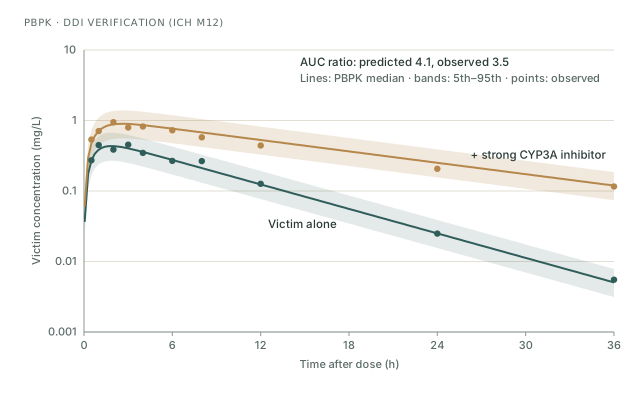
A PBPK model, verified against clinical PK and at least one clinical DDI study, predicts the effect of untested perpetrators or victims. Predictions inform which clinical DDI studies are run and support labelling where the model is adequately verified.
What reviewers will ask
Is the fraction metabolized by the enzyme verified clinically?
We verify it against an observed interaction, usually with a strong inhibitor, before simulating anything untested.
Is the platform qualified for this use?
We use the open PK-Sim platform and cite its published qualification for the interaction type, or explain why it does not apply.
How sensitive are the predictions to uncertain inputs such as Ki?
Sensitivity analyses on the parameters that drive the interaction are reported next to the predictions.
What you file with the agency
- PBPK report following FDA's format-and-content guidance for PBPK analyses
- Proposed DDI labelling text
- Rationale for each clinical DDI study run or not run
- Model files and simulation code for agency review
What we need from you
- In vitro ADME and enzyme or transporter data (inhibition, induction, fm estimates)
- Clinical PK data, including any completed DDI studies
- Planned co-medications and the target label population
What it may replace
A verified PBPK model can replace some clinical DDI studies, for example with moderate inhibitors once a strong-inhibitor study has confirmed the metabolic pathway. Whether it can for your compound depends on the verification data, and we say so in the scoping call.
Is this the decision in front of you?
Fixed price, paid in two milestones. A guaranteed date. Agency questions on this analysis answered at no extra cost. Pricing · How we work